Espresso
Why Does Your Espresso Taste Sour or Bitter (And How to Fix It)
Sour or bitter espresso shot? Learn to diagnose under-extraction vs over-extraction by taste and fix it one variable at a time.
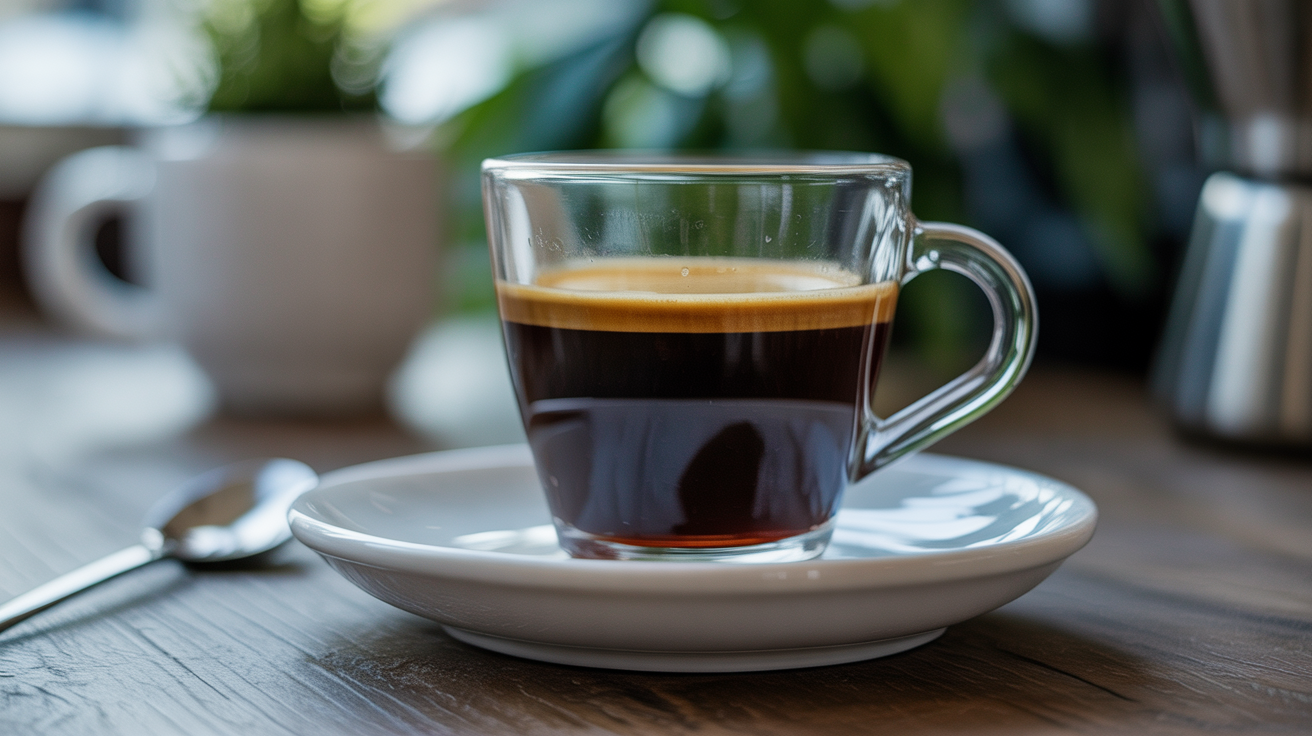
You pull a shot, take a sip, and your face does something involuntary. Either it's sharp and puckery like biting into an unripe apple, or it's harsh and ashy like burnt toast. Both are common, and both point you toward a fix once you know what you're tasting. If you're wondering why does espresso taste sour, or why your shot keeps coming out bitter no matter what you try, the answer usually lives in extraction, not some mysterious flaw with your beans or machine.
This is a taste-first guide. Start with your tongue, not extraction theory. What you taste tells you which direction to move, and moving the wrong direction wastes beans and time.
Sour or Bitter: Taste It Before You Troubleshoot
Before changing anything on your grinder or machine, pin down exactly what's wrong. Sour and bitter are opposite problems with opposite fixes, and guessing wrong sends you further from a good cup.
A sour shot tends to taste:
- Sharp or tangy, sometimes almost citric
- Thin in body, watery on the finish
- Salty or briny in a way that lingers oddly
- Lacking sweetness, even if the beans are supposed to be a sweeter roast
A bitter shot tends to taste:
- Harsh or biting on the back of the tongue
- Ashy or burnt, like the inside of a chimney
- Dry and chalky rather than syrupy
- Flat, with any fruit or floral notes buried under roast char
If you're getting both sour and bitter in the same sip, that's usually a channeling problem (water finding a fast path through the puck instead of flowing evenly), and it's worth checking your distribution and tamp before you touch the grind. But for a shot that's clearly leaning one way, keep reading.
Why Does Espresso Taste Sour: Under-Extraction
Sourness is the signature of under-extraction. Water didn't spend enough time and contact with the grounds to pull out the sugars and deeper flavor compounds that balance the naturally acidic ones. You're tasting the front end of extraction without the middle and back end catching up.
Common causes
Grind too coarse. This is the most frequent culprit. A coarser grind means less surface area for water to work with, so extraction stalls out early. If your shot runs fast and thin and tastes sour, coarse grind is the first thing to check.
Dose too low. Not enough coffee in the basket means less resistance, so water rushes through and pulls a large volume of liquid from too little ground coffee. The result tastes stretched and sour.
Shot time too short. If your espresso is finishing in 15 or 18 seconds when you're aiming for something closer to 25 to 30, you're simply not giving the water enough time in contact with the grounds.
Water too cool. Espresso machines generally brew somewhere in the 195 to 205°F range. Water on the lower end of that (or a machine that's lost temperature stability) extracts more slowly and can leave a shot tasting sour even if your grind and dose look right on paper.
Uneven puck prep. A lumpy or unevenly distributed puck lets water blast through the loosest sections while barely touching the dense ones, giving you a sour, thin shot even when your recipe numbers look fine.
Why Espresso Tastes Bitter: Over-Extraction
Bitterness is what happens when you go too far the other way. Water has been in contact with the grounds long enough to pull out compounds that are naturally harsh and astringent, the ones that show up late in the extraction and don't add sweetness or complexity, just weight and char.
Common causes
Grind too fine. More surface area and more resistance mean water spends longer soaking the grounds. Push the grind too fine and you extract past the point of balance into bitter territory.
Shot time too long. A shot creeping past 35 or 40 seconds for a standard double is usually giving up more bitterness than it's worth.
Water too hot. Temperatures pushing toward the top of a machine's range, or a machine that runs hot to begin with, speed up extraction and can tip a shot into bitter before the timer even feels long.
Stale or very dark-roasted beans. This one deserves its own callout, because it's not always an extraction problem at all.
When Bitterness Isn't About Dialing In
Here's the part that trips people up: sometimes a shot tastes bitter no matter how carefully you adjust grind, dose, and time. If that's happening, look at the beans themselves before you blame your technique.
Stale coffee, meaning beans past their peak (often several weeks past roast date, or opened and exposed to air too long), loses its delicate, sweet, and acidic compounds first. What's left skews flat and bitter, and no grind adjustment brings back flavor that's already gone. Buy beans in smaller quantities you'll use within a few weeks, and keep them sealed away from light, heat, and air.
Very dark roasts carry a baseline bitterness from the roasting process itself. That deep, smoky character is a roast style choice, not a flaw, but a well-extracted shot from very dark beans will still taste more bitter than one from a medium roast. If you're chasing sweetness and brightness and keep landing on bitter, a lighter roast might serve you better than another grind adjustment.
How to Fix It: Change One Thing at a Time
Once you know whether you're dealing with sour or bitter, resist the urge to change your grind, dose, and shot time all in the same pull. If you adjust three variables at once and the next shot tastes different, you won't know which change actually mattered, and you'll be guessing again tomorrow.
Here's a simple approach:
- Pick one variable. Grind size first, since it has the biggest effect on shot time and extraction.
- Make a small adjustment. Finer for sour, coarser for bitter. A tiny twist on most grinders changes shot time noticeably.
- Pull a shot and taste it. Note the shot time along with the flavor.
- Compare to your last shot. If it moved the right direction but isn't fully resolved, repeat the adjustment.
- Move to a second variable only once grind is close. Then consider dose or temperature.
| Symptom | Likely cause | First adjustment |
|---|---|---|
| Sour, thin, fast shot | Grind too coarse | Grind finer, small increments |
| Sour, watery | Dose too low | Increase dose slightly |
| Sour despite good grind and dose | Water too cool | Check machine temperature settings |
| Bitter, harsh, slow shot | Grind too fine | Grind coarser, small increments |
| Bitter, long shot time | Grind or dose too high | Reduce dose or grind coarser |
| Bitter no matter what | Stale or very dark beans | Try fresher or lighter-roast beans |
Keeping a simple log (grind setting, dose, shot time, a one-word taste note) saves you from relearning the same lessons every few weeks. If you haven't nailed down your baseline recipe yet, work through how to dial in espresso at home first, since a lot of sour and bitter problems are really dial-in problems wearing a different name.
Ruling Out Mechanical Issues
Sometimes taste problems trace back to what's happening at the puck rather than your recipe numbers. A shot that gushes out in a thin stream or sprays unevenly from the portafilter spouts, instead of flowing as a steady, slightly slowing stream, is often channeling, and channeling produces sour, thin, uneven shots even when your grind setting is correct. Fixing distribution and tamp technique solves this faster than chasing the grinder dial. For a deeper look at flow issues, see why your shot runs off.
Grind size is the single biggest lever for both flavor problems here, so a practical walkthrough of what different settings look and feel like, and how to adjust them consistently on your grinder, is worth bookmarking: espresso grind size, a practical guide.
Frequently Asked Questions
Why does my espresso taste sour even though my grind seems fine?
Check your water temperature and dose before assuming the grind is the only variable. A machine running cool, or a basket that's slightly underdosed, can produce sour shots even at a grind setting that worked well before. Stale, very lightly roasted beans can also read as sour longer into the extraction than a medium roast would.
Can old coffee beans cause a bitter taste?
Yes. Stale beans lose their brighter, sweeter compounds first, leaving a flavor profile that leans flat and bitter regardless of how carefully you dial in the shot. If your shots taste bitter across multiple grind settings, try a bag of freshly roasted beans before troubleshooting further.
How long should an espresso shot take to pull?
Most home setups aim for roughly 25 to 30 seconds for a double shot, though this varies by machine, beans, and recipe. Shot time is a helpful signal, not a strict rule. It matters more that the shot tastes balanced than that it hits an exact number on the clock.
Should I adjust grind or dose first when fixing a sour or bitter shot?
Start with grind size. It has the most direct effect on extraction and shot time, and small adjustments are easy to make consistently. Once your grind is close, fine-tune with dose or, if your machine allows it, temperature.
Is a little bitterness in espresso normal?
Some bitterness is part of espresso's character, especially with darker roasts, and it's not automatically a flaw. The goal isn't zero bitterness, it's balance, where sweetness and acidity are present enough that bitterness reads as one note among several rather than the whole story. If you want that balance dialed in more precisely, how to pull a balanced espresso shot walks through what balance actually tastes like in practice.