Brewing Methods
Why Your Pour-Over Coffee Tastes Sour or Bitter, and How to Fix It
Learn why does pour over coffee taste sour or bitter, how to tell the two apart, and which of four levers to adjust to fix it fast.
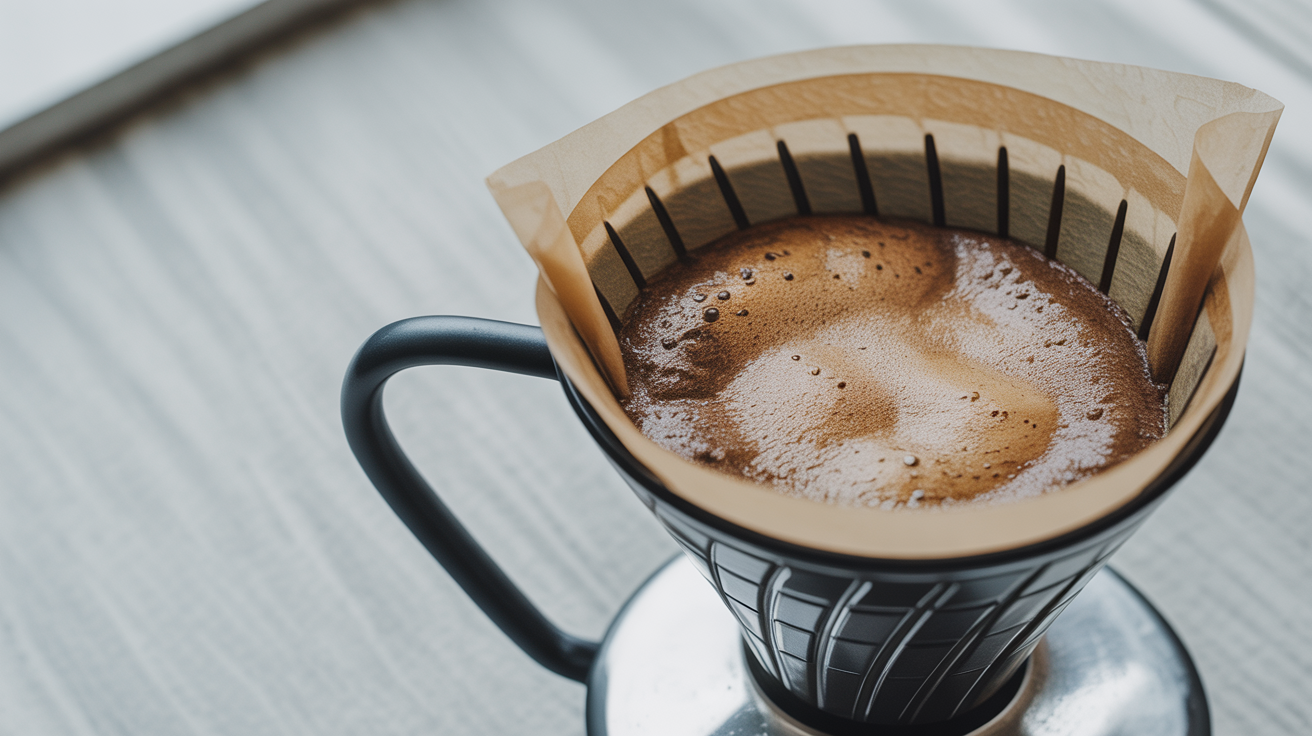
You followed the recipe. Same beans, same scale, same kettle. And the cup still tastes off, either sharp and sour like unripe fruit, or harsh and bitter like it scorched on the way down. If you've been asking why does pour over coffee taste sour one morning and bitter the next, the answer almost always comes down to extraction, meaning how much flavor actually left the grounds and made it into your cup. Too little, and you get sourness. Too much, and you get bitterness. Once you can name which one you're tasting, fixing it is a short list of adjustments, not a mystery.
This guide walks through both problems, gives you a table to match taste to likely cause, and covers the four things you can actually change: grind size, water temperature, ratio, and pour technique. Change one at a time. Two changes at once and you won't know which one fixed it, or which one made it worse.
Under-extraction: the sour, sharp, thin cup
Under-extraction means water moved through the coffee bed too fast, or wasn't hot enough, to pull out the fuller range of flavors hiding in the grounds. What's left behind is mostly the acids, which come out early in the brewing process. The result tastes sour, sometimes described as tangy, sharp, or like green apple. It can also taste thin or watery, like the coffee gave up halfway through telling you what it was.
Common causes of under-extraction:
- Grind is too coarse, so water passes through with less contact time
- Water isn't hot enough to dissolve the full range of compounds
- Total brew time is too short
- Too little coffee relative to water (a ratio that's too weak)
- A bloom that was skipped or too brief, so the grounds never fully degassed before the main pour
If your coffee tastes like it's missing something, like the front of the sip is there but the middle and finish never show up, that's a strong sign you're under-extracting. It's one of the more common mistakes people make when they first try how to make pour-over coffee at home, since a coarse grind feels safer than risking bitterness, but coarse alone isn't a fix if the water's also lukewarm or the pour is too fast.
Over-extraction: the bitter, harsh, ashy cup
Over-extraction is the opposite problem. Water spent too long in contact with the grounds, or moved through them too slowly, and pulled out compounds that are better left behind. These late-extracting compounds taste bitter, dry, and sometimes ashy or papery, almost like the coffee burned even though your kettle never got near a stove.
Common causes of over-extraction:
- Grind is too fine, slowing the water down and increasing surface contact
- Water is too hot, pulling flavor out faster than it should
- Total brew time runs long, often because the grind is fine enough to clog the filter
- Too much coffee relative to water, packing more soluble material into the same brew window
- Uneven pouring that lets some grounds sit in standing water far longer than others
If the finish of your cup lingers unpleasantly, dry and slightly harsh, closer to burnt toast than roasted coffee, that's over-extraction talking. It happens a lot with espresso-ground coffee accidentally used in a pour-over cone, or with a grinder that produces a lot of fines alongside the main particle size.
A quick diagnostic table: taste to likely cause
Use this as a starting point, not a rulebook. Coffee varies by origin, roast level, and freshness, so treat this as the first place to look, not the only place.
| What you taste | Likely direction | Most common cause |
|---|---|---|
| Sharp, sour, like unripe fruit | Under-extraction | Grind too coarse |
| Thin, watery, weak finish | Under-extraction | Ratio too weak, or water too cool |
| Fast drawdown, cup done in under 2 minutes | Under-extraction | Grind too coarse or pour too fast |
| Bitter, dry, ashy aftertaste | Over-extraction | Grind too fine |
| Harsh, almost burnt, unpleasant lingering finish | Over-extraction | Water too hot |
| Slow drawdown, cup takes far longer than usual | Over-extraction | Grind too fine, clogging the bed |
| Sour AND bitter at the same time | Uneven extraction | Clumped grounds, channeling, or an uneven pour |
That last row deserves a note. Sometimes water finds a low-resistance path through the coffee bed (channeling) while other parts of the bed barely see water at all. You end up under-extracting some grounds and over-extracting others in the same brew, and the cup can taste both sour and bitter at once. That's usually a pouring problem, not a recipe problem, and it's worth looking at your coffee grind size for every brew method too, since uneven particle size makes channeling more likely no matter how carefully you pour.
The four levers, and how to adjust them one at a time
Once you know which direction you're off, here's what to touch, and by how much.
Grind size
This is usually the first thing to check, because it has the biggest effect on brew time and extraction. If you're under-extracting, go a notch finer. If you're over-extracting, go a notch coarser. Small changes matter more than you'd think. On most grinders, a quarter turn is enough to notice a difference in a 4-minute brew. Change grind size and nothing else, then taste again before touching anything else.
Water temperature
Most pour-over guidance lands somewhere in the range of 195 to 205°F (roughly 90 to 96°C), just off a full boil. Cooler water within or below that range extracts more slowly and can leave you sour, especially with lighter roasts that already need more heat to open up. Hotter water extracts faster and can tip you into bitterness, particularly with darker roasts that are already more soluble. If you don't own a temperature-controlled kettle, letting a full boil rest for 30 to 45 seconds off the heat gets you into a reasonable range. For more detail on matching temperature to roast level, see the best water temperature for coffee.
Coffee-to-water ratio
A weak ratio (not enough coffee for the water) can taste sour even when your grind and temperature are fine, simply because there isn't enough coffee to fully develop flavor at that dilution. A strong ratio can tip toward bitterness because you're extracting more total solubles into the same cup. A common starting point for pour-over sits around 1:15 to 1:17 (coffee to water by weight), and from there you nudge toward 1:15 for a bolder cup or 1:17 for a lighter one. If your ratio is wildly off from that range, it's worth fixing before you touch grind size at all. The full breakdown is in the right coffee-to-water ratio for any brew.
Pour and bloom technique
The bloom, that first small pour that wets the grounds and lets them degas for 30 to 45 seconds, matters more than people give it credit for. Skip it, or rush it, and you get uneven wetting that leads to channeling, which can produce that sour-and-bitter combination at the same time. After the bloom, pour in slow, even circles rather than one heavy dump in the center. A pour that's too fast pushes water through before it can extract fully (leaning sour); a pour that stalls or drips too slowly holds water against the grounds too long (leaning bitter).
A simple troubleshooting routine
When a cup goes wrong, resist the urge to change everything at once. Try this order instead:
- Taste and name the problem using the table above. Sour, bitter, or both.
- Check your ratio first. If it's off from roughly 1:15 to 1:17, fix that before anything else.
- Adjust grind size by one notch in the appropriate direction.
- Brew again, same water temperature, same pour style, and taste.
- Only if grind alone didn't solve it, adjust water temperature by a few degrees.
- If the cup tastes inconsistent from pour to pour even with the same settings, look at your bloom and pour technique before changing the recipe again.
Keep a rough note of what you changed and when. It sounds tedious, but after a week of noticing "coarser grind, still sour" or "cooler water, less bitter," you'll have a much better feel for your specific setup, and dialing in a new bag of beans will take minutes instead of a full pot of frustrating tries.
Frequently Asked Questions
Why does my pour-over coffee taste sour even though I used hot water?
Water temperature is only one factor. If your grind is too coarse, your ratio too weak, or your brew time too short, you can still under-extract even with water at the right temperature. Check grind size and total brew time before assuming temperature is the culprit.
Can old or stale beans cause a sour taste?
Yes, though it's a different kind of sourness. Beans that have gone stale can taste flat or vaguely sour in a way that no amount of grind or ratio adjustment fixes, because the flavor compounds have simply faded. If a fresh bag from the same roaster tastes fine with the same recipe, staleness was likely the issue.
Is bitter pour-over coffee always over-extracted?
Usually, but not always. Very dark roasts can taste bitter on their own regardless of extraction, since the roasting process itself creates bitter compounds. If you've dialed in a lighter roast and it isn't bitter, but a dark roast is, on the same setup, the roast itself may be the bigger factor.
How much should I change my grind size at a time?
Small adjustments go a long way. A quarter to a half notch on most grinders is enough to notice in the next cup. Making a huge jump makes it hard to tell what actually fixed or worsened the taste.
Should I change grind size or water temperature first?
Grind size first. It has a larger and more predictable effect on brew time and extraction, and it's easier to isolate as a single variable. Save water temperature for fine-tuning once your grind and ratio are close.