Maintenance & Care
How to Backflush an Espresso Machine
A plain-language guide to backflushing your espresso machine: water vs detergent cycles, step-by-step, and which machines can't be backflushed.
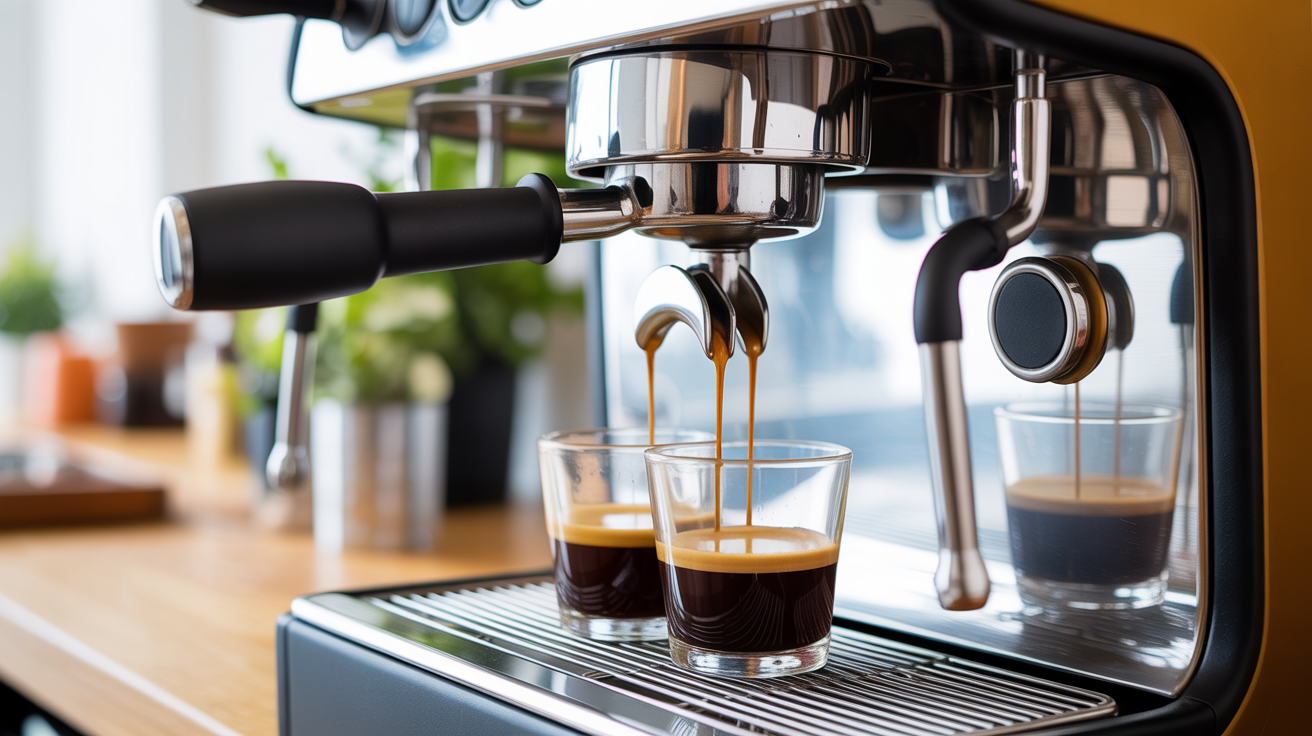
Backflushing forces water (and optionally detergent) back through the group head to clear coffee oils and grounds from the solenoid valve and brew path. It takes about ten minutes, and your next shot will taste cleaner for it. Only machines with a three-way solenoid valve can be backflushed; single-boiler pump machines without one cannot.
What backflushing actually does
When you pull a shot, pressurized water pushes through the puck and into your cup. The three-way solenoid valve on a proper espresso machine vents that remaining pressure after the pump stops, which is why spent grounds come out slightly damp rather than dripping wet. That venting action also draws residue back past the screen and into the valve body itself.
Backflushing reverses the flow. You block the group head with a blind basket (a solid disk with no holes), run the pump in short bursts, and force water back through the screen and into the solenoid. Coffee oils break loose. Grounds get flushed out. The valve and internal brew path get a proper rinse rather than just a wipe-down.
This is distinct from descaling, which targets mineral buildup in the boiler and heat exchanger. If you need to address scale as well, see the guide on how to descale an espresso machine.
Which machines can be backflushed
Only machines with a three-way solenoid valve. This is not optional: without that valve, there is no pathway for the backflush water to go, and attempting it could damage internal seals.
Machines that can be backflushed:
- Semi-automatic and automatic espresso machines with a pump and three-way solenoid (Breville Barista Express, Gaggia Classic Pro, Rancilio Silvia, most ECM, Rocket, and La Marzocca home machines)
- Commercial and prosumer machines (Synesso, La Marzocca Linea, Slayer, etc.)
Machines that cannot be backflushed:
- Steam-driven espresso makers (Bialetti Brikka-style moka pots used with a pressurized basket)
- Manual lever machines (no solenoid valve)
- Most pod and capsule machines
- Any machine that does not have a dedicated blind basket in its accessory kit
If you are not sure whether your machine qualifies, check whether a blank/blind disk came in the box. If it did, the manufacturer expects you to backflush.
What you need
| Item | Notes |
|---|---|
| Blind basket (blank disk) | Usually included; fits your portafilter like a normal basket |
| Espresso machine cleaner | Urnex Cafiza, Puly Caff, or equivalent powder or tablet |
| Clean cloth or brush | For wiping the group head gasket and screen |
| Container | To catch the water that dumps from the drain |
You can run water-only backflushes daily and detergent backflushes once a week for home use. Commercial machines typically need detergent every evening.
Water-only backflush (daily rinse)
This is the quick version. No chemicals, takes about two minutes. Worth doing every time you finish pulling shots for the day.
- Remove the portafilter and swap the filter basket for the blind basket.
- Lock the portafilter back into the group head.
- Run the pump for 10 seconds, then stop for 10 seconds. Repeat five times.
- Remove the portafilter, rinse the blind basket under the tap, and wipe the group head screen with a damp cloth.
- Lock the portafilter back in and run the pump once more for 10 seconds to flush any loosened residue through.
That last flush step matters. You want clean water going through the group, not a trickle of dirty water sitting in the valve.
Detergent backflush (weekly clean)
Same process, but with cleaner added. The detergent cycle loosens the coffee oils that water alone does not shift.
- Add the recommended dose of espresso machine cleaner to the blind basket. For Cafiza powder, that is typically half a teaspoon (about 1g). Check your specific product.
- Lock the portafilter into the group head.
- Run 10 seconds on, 10 seconds off, for eight to ten cycles. During the "off" pauses, the detergent sits against the screen and solenoid and breaks down oil deposits.
- Remove the portafilter. The water that dumps into the drain tray will be brown or tan. That is coffee oil, and it should not be in your brew path.
- Empty and rinse the blind basket.
- Repeat the water-only backflush cycle (five cycles) with no cleaner to rinse out detergent residue.
- Pull a short blank shot with no coffee to clear the group head completely before brewing again.
Step 6 is not optional. Detergent residue left in the group head will make your coffee taste soapy. Always finish with clean water cycles.
A note on detergent dose
More is not better here. A heavier dose does not clean more effectively and is harder to rinse out. Stick to the manufacturer's recommendation on your specific cleaner. If you are using tablets (like Puly Caff tabs), one tablet per backflush cycle is standard.
How often to backflush
| Usage level | Water-only | Detergent |
|---|---|---|
| Home (1-3 shots/day) | After each session | Weekly |
| Enthusiast (4-10 shots/day) | After each session | Every 2-3 days |
| Commercial (100+ shots/day) | Multiple times daily | End of each day |
Most home baristas under-clean the group head and over-clean the portafilter basket. The group head screen accumulates oils faster than it looks like it does from the outside.
If you notice your shots tasting bitter or flat despite good grind and dose, a neglected group head is worth checking before you start chasing other variables.
After the backflush
Wipe the group head gasket (the rubber ring around the inside of the group) with a cloth and run your group head brush around the screen. The backflush loosens material; the brush gets it out of the crevices the water cannot reach.
Then pull a short shot of water through your portafilter with no coffee to verify everything is flushed clean. The water should run clear with no discoloration. If it is still brown, run another water-only backflush cycle.
While you have the portafilter out, it is a good time to clean the basket and basket ears as well. Coffee oils build up on those too. See the guide on how to clean a coffee grinder if you want to work through a full equipment maintenance routine in one session.
Frequently Asked Questions
Can I backflush a Breville (Sage) espresso machine?
Yes, if it has a three-way solenoid. The Barista Express, Barista Pro, Oracle, and most Breville pump machines include a cleaning disk and a dedicated cleaning cycle in the menu. Follow the machine's built-in program rather than doing manual 10-second bursts; Breville's cycle is calibrated for their solenoid timing.
What cleaner should I use for backflushing?
Urnex Cafiza and Puly Caff are the two most common options and both work well. They are formulated to break down coffee oils without damaging group head seals. Avoid dish soap, general degreasers, or anything not specifically rated for espresso machines. The wrong cleaner can degrade the rubber gasket faster than normal wear would.
My machine does not have a blind basket. Can I still backflush?
No. Without a blind basket you cannot block the portafilter and build backpressure. You can order a universal blind disk from most espresso equipment suppliers for a few dollars, but make sure it fits your specific portafilter diameter (58mm is standard for most full-size machines; Breville uses 54mm).
How do I know if my machine needs backflushing?
Taste is the most honest indicator. Bitter, flat, or slightly rancid-tasting shots, especially in the later part of the extraction, often point to oil buildup in the group head. Visually, a group head screen with a dark brown ring around its edges or visible grounds stuck to the gasket is overdue. For a more complete look at maintenance indicators, the guide on how to clean a french press properly covers similar oil-buildup principles that apply across brew methods.
Will backflushing damage my machine?
Not if it has a three-way solenoid and you are using the right cleaner at the right dose. Backflushing is the intended maintenance method for these machines; the blind basket in the accessory kit exists specifically for this. The only risk is using too much detergent or skipping the rinse cycles, which leaves residue rather than damaging anything mechanically.