Beans & Roasts
Washed, Natural, and Honey Processed Coffee Beans, Explained
Coffee processing methods explained: how washed, natural, and honey processing shape acidity, body, and flavor before a bean is ever roasted.
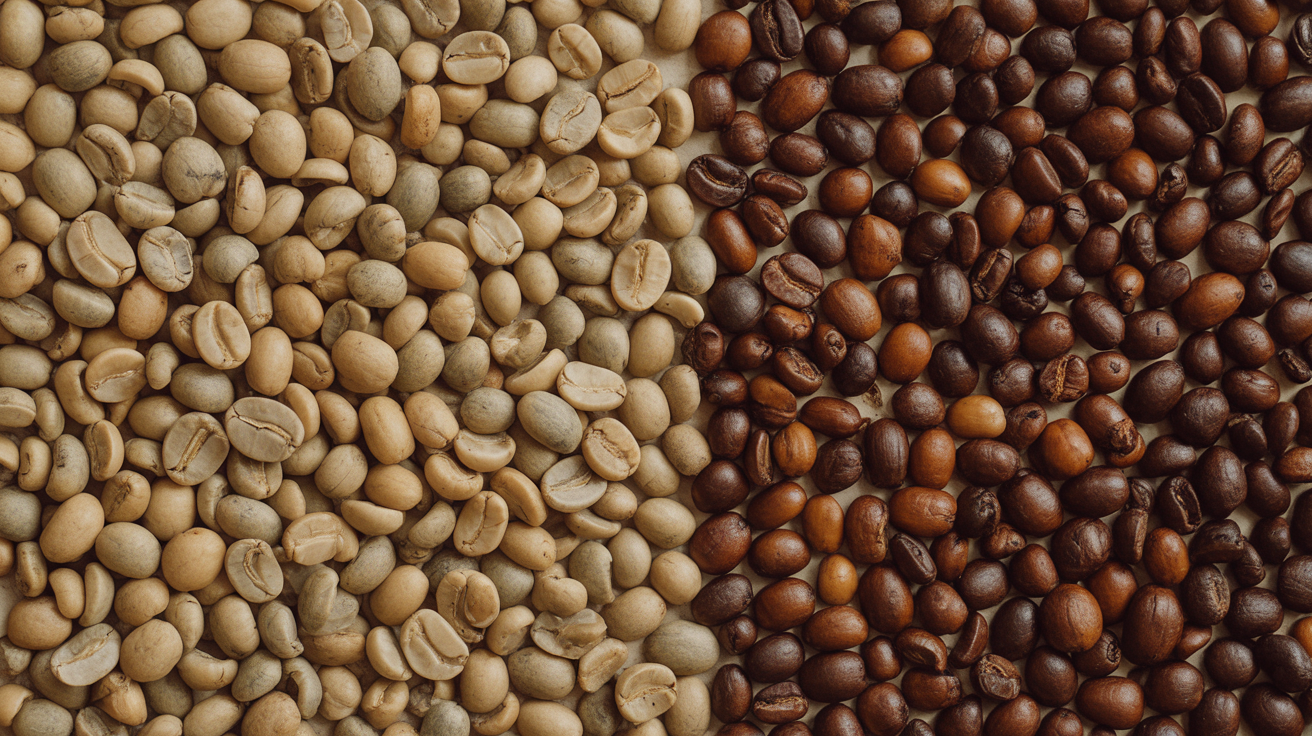
Pick up a bag of specialty coffee and somewhere on the label you will probably find a processing term: washed, natural, or honey. It is easy to skip past that word and focus on the roast date instead, but processing does more to shape what is in your cup than most people realize. Coffee processing methods explained in plain terms tell you something roast level alone cannot: whether a coffee will taste clean and bright or heavy and fruity before you even open the bag.
Processing happens at the farm, right after the cherry is picked and long before roasting enters the picture. A coffee cherry is not just a bean. It is a small fruit with skin, pulp, a sticky layer called mucilage, a parchment shell, and then the green seed (the "bean") inside. Getting from a freshly picked cherry to a dry, stable green bean means removing those outer layers, and the method used to do that is what we call processing.
Coffee Processing Methods Explained: Why It Happens Before Roasting
There are three main approaches you will run into on most bags: washed (also called wet process), natural (also called dry process), and honey (sometimes called pulped natural). Each one controls how long the fruit and its sugars stay in contact with the bean while it dries, and that contact time is the whole story. More contact generally means more fruit-forward, heavier flavors. Less contact means a cleaner, more transparent cup where the bean's own character comes through with less interference.
None of this makes one method objectively "better" than another. It is closer to the difference between a crisp white wine and a jammy red. Both are made from grapes, both can be excellent, and which one you want depends on your mood.
Washed (Wet) Process: Clarity and Acidity
Washed processing is the most common method for specialty coffee from regions like much of Central America, Colombia, and Kenya. Ripe cherries are picked, then run through a pulper that strips off the skin and most of the pulp, leaving the bean coated in sticky mucilage. Instead of drying it that way, washed coffees go into fermentation tanks, usually filled with water, where naturally occurring enzymes and microbes break down that sticky layer over several hours to a couple of days. The beans are then scrubbed clean with fresh water and laid out to dry on raised beds or patios until they reach a stable moisture level.
Because the fruit and its sugars are washed away before drying starts, the bean has minimal contact with that fruit layer. The result is a cup that tends to read as cleaner, brighter, and more acidic, with flavors that show the bean and the growing region clearly. Think crisp citrus, floral notes, or a snappy, tea-like body. If you have ever had a coffee described as "bright" or "clean," there is a good chance it was washed.
The tradeoff is that washed processing uses a lot of water and requires more infrastructure, which is part of why it is more standard in regions with the equipment for it and less common where water is scarce.
Natural (Dry) Process: Fruit and Body
Natural processing is the oldest method, and in some ways the simplest. Whole ripe cherries, fruit and all, go straight onto raised beds or patios to dry in the sun, with no pulping and no fermentation tank. Workers rake and turn the cherries regularly over one to four weeks so they dry evenly and do not mold. Once the fruit has dried down around the bean like a raisin, it gets hulled away in one step, revealing the green bean underneath.
Because the bean sits inside the intact fruit for the entire drying period, it absorbs sugars and fruit compounds the whole time. Natural coffees tend to read as heavier in body, lower in acidity, and noticeably fruitier, with notes people describe as berry, wine, or even funky and boozy when fermentation flavors run strong. This is the profile you want if you like a coffee that tastes more like a dessert than a cup of tea. It is also the method most associated with coffees from Ethiopia and parts of Brazil.
Natural processing is riskier to execute well. Uneven drying or too much moisture can lead to mold or off flavors, so a natural that tastes clean and controlled is a sign of a careful producer, not luck.
Honey Process: The Middle Ground
Honey processing (also called pulped natural, mainly in Brazil) sits between the two. The cherry skin is removed mechanically, similar to washed processing, but some or all of the mucilage is left on the bean during drying instead of washed away, with no fermentation tank step. Drying on raised beds typically takes one to three weeks.
"Honey" refers to the sticky texture of that mucilage layer, not to any added honey flavor, which is a common misconception. Producers usually grade honey coffees by how much mucilage they leave on, described with colors like yellow, red, and black honey. Yellow honey has the least mucilage left, dries fastest, and lands closest to washed in flavor. Black honey keeps the most mucilage, dries slowest, and lands closest to natural, with more sweetness and body. Red honey sits in between.
In the cup, honey processed coffees generally offer more sweetness and body than washed coffee, without the full fruit intensity or occasional funk of a natural. That balance is part of why honey process, which originated in Costa Rica, has spread across Central America.
Comparing the Three at a Glance
| Method | Fruit contact during drying | Typical acidity | Typical body | Common flavor notes |
|---|---|---|---|---|
| Washed | Minimal | Higher, brighter | Lighter, cleaner | Citrus, floral, tea-like |
| Honey | Partial | Medium | Medium, syrupy | Caramel, stone fruit, balanced sweetness |
| Natural | Full | Lower | Heavier, jammy | Berry, wine, tropical fruit, sometimes funky |
Treat this table as a general tendency, not a guarantee. A well-made washed coffee from a naturally sweet variety can still taste fruity, and a carefully executed natural can taste surprisingly clean.
How Processing Works Alongside Roast Level and Origin
Processing does not act alone. Roast level changes how much of that processing character survives into the cup: a lighter roast preserves more nuance, while a darker roast pushes everything toward roast-driven flavors like chocolate and char, flattening the distinction between a washed and a natural coffee. If you want to actually taste what processing does, look for lighter or medium roasts. For a deeper look at how roast level shapes flavor, see our guide to coffee roast levels.
Origin matters just as much. A washed Kenyan coffee and a washed Guatemalan coffee will not taste the same, because the variety of coffee plant, the soil, the altitude, and the local climate all contribute their own character underneath the processing. Processing works more like a lens that sharpens or softens those origin traits than a flavor it adds on its own. If you are deciding between a single farm's coffee and a blended bag, it helps to understand how blending changes what you are tasting; we cover that in our piece on single-origin versus blend coffee.
Using Processing Information When You Shop
Once you know what to look for, shopping for coffee gets more predictable. If you gravitate toward lighter, brighter coffees, a washed label with a light roast is a safe bet. If you prefer something rounder and more dessert-like, look for natural or black honey processing paired with a light to medium roast so the fruit character is not roasted away. If you are not sure what you like yet, honey processed coffee is a reasonable starting point, since it splits the difference.
Not every bag lists a processing method, and that is not a red flag on its own; some roasters simply skip it, especially with commodity-grade coffee. Most specialty roasters do include it, though, because it is genuinely useful shopping information. For a broader walkthrough of everything else worth checking on a label, take a look at our guide on reading a coffee bag label.
Frequently Asked Questions
Is one processing method better than the others?
No. Washed, natural, and honey processing each produce a different style of coffee rather than a better or worse one. Which you prefer comes down to whether you like a cleaner, brighter cup or a heavier, fruitier one, and that is a matter of taste.
Does honey processed coffee actually taste like honey?
Not really. The name refers to the sticky, honey-like texture of the mucilage left on the bean during drying, not an added flavor. Honey processed coffees do tend to be sweeter and rounder than washed coffee, but that comes from natural sugars, not anything resembling honey.
Can I tell the processing method just by looking at the beans?
Sometimes, with experience. Natural processed beans often look slightly more uneven in color and can show a faint fruity smell before grinding, while washed beans tend to look more uniform. It is not reliable enough to depend on, though, so checking the bag label is a better bet.
Does processing method affect caffeine content?
Not in any meaningful way. Caffeine levels are driven mainly by the coffee species (arabica versus robusta), not by how the cherry was processed after picking.
Which processing method should a beginner try first?
There is no wrong starting point, but a washed coffee is a good baseline because it shows you what a given origin tastes like without extra fruit character layered on top. From there, trying a natural or honey coffee from a similar region makes the difference easier to taste side by side.