Coffee Recipes
Homemade Mocha That Tastes Like the Café
A practical mocha recipe for home brewers: real chocolate sauce, dialed-in espresso ratios, and simple steps for hot or iced versions.
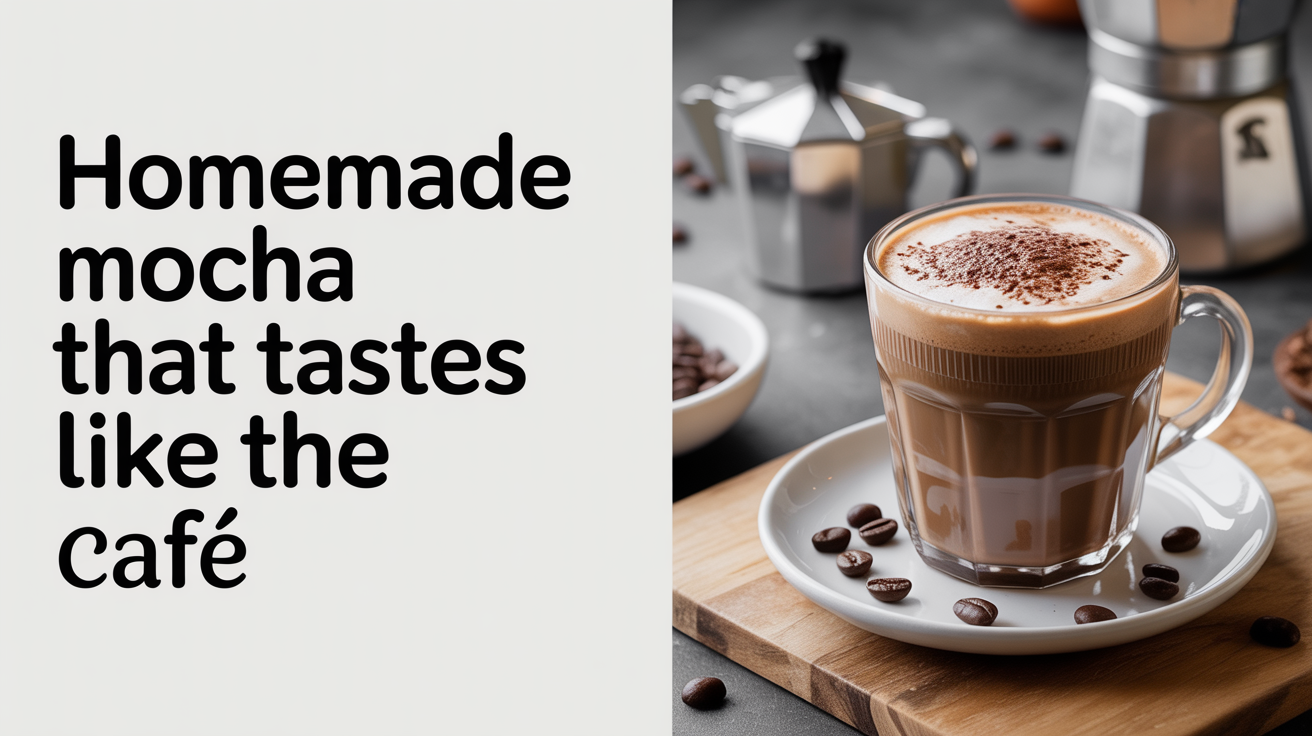
A mocha is just espresso, chocolate, and steamed milk. The café version tastes better than most homemade attempts not because of secret ingredients, but because of ratios. Too little chocolate and you have a slightly sweet latte. Too much and you're drinking hot cocoa with a caffeine kick. Getting the balance right is the whole project, and once you do, the drink is genuinely repeatable.
This guide covers the chocolate sauce, the espresso base, how to assemble both hot and iced versions, and where to adjust when something tastes off.
What Actually Goes Into a Café Mocha
The core formula is simple: chocolate sauce, espresso, and steamed (or frothed) milk. Most cafés use a mocha sauce rather than cocoa powder mixed into hot milk, and that distinction matters at home too.
Cocoa powder doesn't dissolve cleanly in cold or even warm milk. If you stir it straight into steamed milk and then add espresso, you end up with a gritty layer at the bottom and a drink that's inconsistently sweet sip to sip. A chocolate sauce, whether you make it or buy it, blends into the espresso cleanly and distributes evenly.
For a standard 12 oz (350 ml) mocha you'll want:
- 25–30 g mocha sauce (roughly 1.5 tablespoons of a thick homemade sauce, or 2 tablespoons of a thinner commercial one)
- 18–20 g ground coffee yielding a double shot of espresso (36–40 g liquid out, brewed at 200°F / 93°C in 25–30 seconds)
- 190–210 ml whole milk, steamed to around 150°F (65°C)
Those proportions leave the chocolate distinct but not dominant. Scale proportionally for larger cups.
Making Your Own Mocha Sauce
Homemade chocolate sauce takes about ten minutes and keeps in the fridge for two weeks. The result has more depth than the flavored syrups most cafés use, and you control the sweetness.
The Basic Recipe
Combine in a small saucepan over medium-low heat:
- 60 g (about ¼ cup) Dutch-process cocoa powder
- 120 ml (½ cup) water
- 100 g (½ cup) granulated sugar
- Pinch of fine salt (around ⅛ tsp)
Whisk constantly until the mixture begins to simmer and the sugar dissolves, roughly 4–5 minutes. Reduce to low and cook another 2–3 minutes until slightly thickened. Pull it off heat and stir in 30 ml (2 tablespoons) of whole milk and ½ teaspoon of vanilla extract.
It thickens further as it cools. Store in a sealed jar in the fridge. If it seizes up, a 10-second microwave blast and a quick stir brings it back.
When Store-Bought Works Fine
There's nothing wrong with using a good commercial chocolate sauce. Look for one with a cocoa percentage listed or actual chocolate listed as a primary ingredient, not "cocoa flavoring." Thinness is the thing to check: if the sauce is very runny, use less of it and taste as you go. A typical commercial mocha sauce runs about 20 ml (4 teaspoons) per 12 oz drink, but adjust based on how sweet and thick yours is.
Getting the Espresso Right
A double shot (roughly 36–40 g of liquid, pulled from 18–20 g of ground coffee) is the standard base for a 12 oz mocha. A single shot gets lost under the chocolate and milk. If your shot runs bitter or thin, the mocha won't rescue it.
For this drink, a medium-dark to dark roast pairs well with chocolate because the roast's low-acid profile doesn't fight the cocoa. That said, a well-developed medium roast works too. The chocolate tends to push fruit-forward notes out of a light roast.
If you're dialing in on a home espresso machine, target a brew ratio of 1:2 (coffee dose to liquid yield) at 200°F (93°C), with the shot running 25–30 seconds. If it's channeling or running unevenly, the mocha will taste sharp and metallic on the back of the tongue.
No espresso machine? Strong moka pot coffee works reasonably well. Use a finer grind than you'd use for drip, fill the basket without tamping, and keep your heat medium-low so it brews slowly. The result is more bitter and less textured than espresso, but the chocolate rounds it out. An AeroPress brewed at a 1:6 ratio (17 g coffee to 100 ml water) also gets you close.
Assembling a Hot Mocha
Add the chocolate sauce to the bottom of your mug first. Pour the espresso shot directly over it and stir vigorously for about 15 seconds until the two are fully combined. You'll see the mixture turn glossy and uniformly dark brown. This step is where most homemade mochas fall short: skipping the stir leaves streaks of chocolate that never fully integrate.
Steam your milk to 150°F (65°C). For a standard mocha you're not chasing the tight microfoam of a flat white. A bit of lighter, airier foam on top is fine and more forgiving for home steamers. Pour the milk slowly over the espresso-chocolate base, holding back the foam with a spoon, then spoon the foam on top.
The resulting drink should taste of coffee first, chocolate second, and sweetness third. If it tastes mostly like chocolate milk, reduce the sauce by 5–10 g next time. If the coffee overpowers everything, the ratio is off or the shot ran bitter.
Temperature and Drinking Window
Serve immediately. Milk at 150°F (65°C) drops quickly in a room-temperature mug, so if you want it to stay hot longer, preheat the mug with hot water for 30 seconds before you start.
Making an Iced Mocha
The iced version requires one adjustment: build the espresso and chocolate base first, let it cool briefly, then pour over ice and add cold milk. If you pour hot espresso straight onto ice and then add milk, you get a very diluted drink by the time the temperature equalizes.
For a 16 oz (475 ml) iced mocha:
- 30–35 g mocha sauce
- Double shot of espresso (36–40 g liquid)
- Ice (about 200 g, or enough to fill the cup)
- 200 ml whole milk (cold, not steamed)
Stir the espresso and sauce together in the cup or a small bowl until smooth. Pour over ice, then add the cold milk. Stir once and taste. You can top with unsweetened whipped cream if you want the café-style finish, but it's optional.
For a version with even less dilution, cold brew concentrate swapped in for espresso makes a very smooth base. Use about 60 ml of concentrate at a 1:4 brew ratio, stirred with the chocolate sauce before adding ice.
If you regularly make iced coffee drinks, the guide on making an iced latte at home covers the milk-to-ice proportions in more detail and applies directly to the mocha template.
Adjustments for Taste and Diet
Making It Less Sweet
The homemade sauce recipe above runs moderately sweet. Cut the sugar to 70–80 g per batch if you prefer a more bitter-leaning drink. Alternatively, use dark chocolate (70% cocoa or higher) melted into a small amount of hot water rather than cocoa powder. This produces a sauce with less sweetness and more complexity.
Dairy Alternatives
Oat milk steams well and produces a creamy result close to whole milk. Its natural sweetness does amplify the chocolate, so you may want slightly less sauce. Almond milk tends to thin out under steaming pressure and can break if you push the temperature past 140°F (60°C). For iced mochas, almost any non-dairy milk works fine since there's no steaming involved.
Making It Stronger
A triple shot in a 12 oz cup tilts the balance toward coffee and away from chocolate. This works well if you're using a particularly chocolatey sauce or if you want something closer to a short, punchy drink like a cortado with chocolate notes. Start with the standard double and adjust from there.
Frequently Asked Questions
Can I make a mocha without an espresso machine?
Yes. A moka pot produces coffee concentrated enough to hold up against the chocolate and milk. Brew at medium-low heat to minimize bitterness. An AeroPress brewed inverted with 17 g of coffee and 100 ml of water at 200°F (93°C), pressed slowly over about 90 seconds, also works well. Standard drip coffee is too thin and dilutes the drink.
What's the difference between a mocha and a hot chocolate?
Both use chocolate and milk, but a mocha includes espresso as a significant part of the volume. Hot chocolate is typically made with milk heated with chocolate or cocoa, without coffee. The espresso changes the flavor profile substantially, adding bitterness and roasted notes that balance the sweetness.
How much chocolate sauce should I use?
For a 12 oz drink, 25–30 g of a thick homemade sauce is a reliable starting point. Commercial sauces vary in sweetness and concentration, so start around 20 ml and adjust up or down by taste. The goal is a drink where you can clearly taste coffee alongside the chocolate, not one where the coffee is just a background note.
Why does my mocha taste bitter or sharp?
Almost always the espresso. A shot that runs too fast (under 20 seconds) tastes sour; one that runs too slow (over 35 seconds) tastes bitter and dry. Fix the shot first. Also check the temperature of your water: much above 205°F (96°C) and you extract harsh compounds that no amount of chocolate covers up.
Can I make a mocha ahead of time?
The espresso-chocolate base keeps for a few hours in the fridge. Don't add milk until you're ready to drink it, since steamed milk separates and cold milk loses its fresh quality after sitting mixed with coffee. The chocolate sauce itself keeps for up to two weeks refrigerated and is the best thing to make in advance.